 中文
中文 English
 Tel:+86 20 81777397
  Email:steven@sunny-express.com
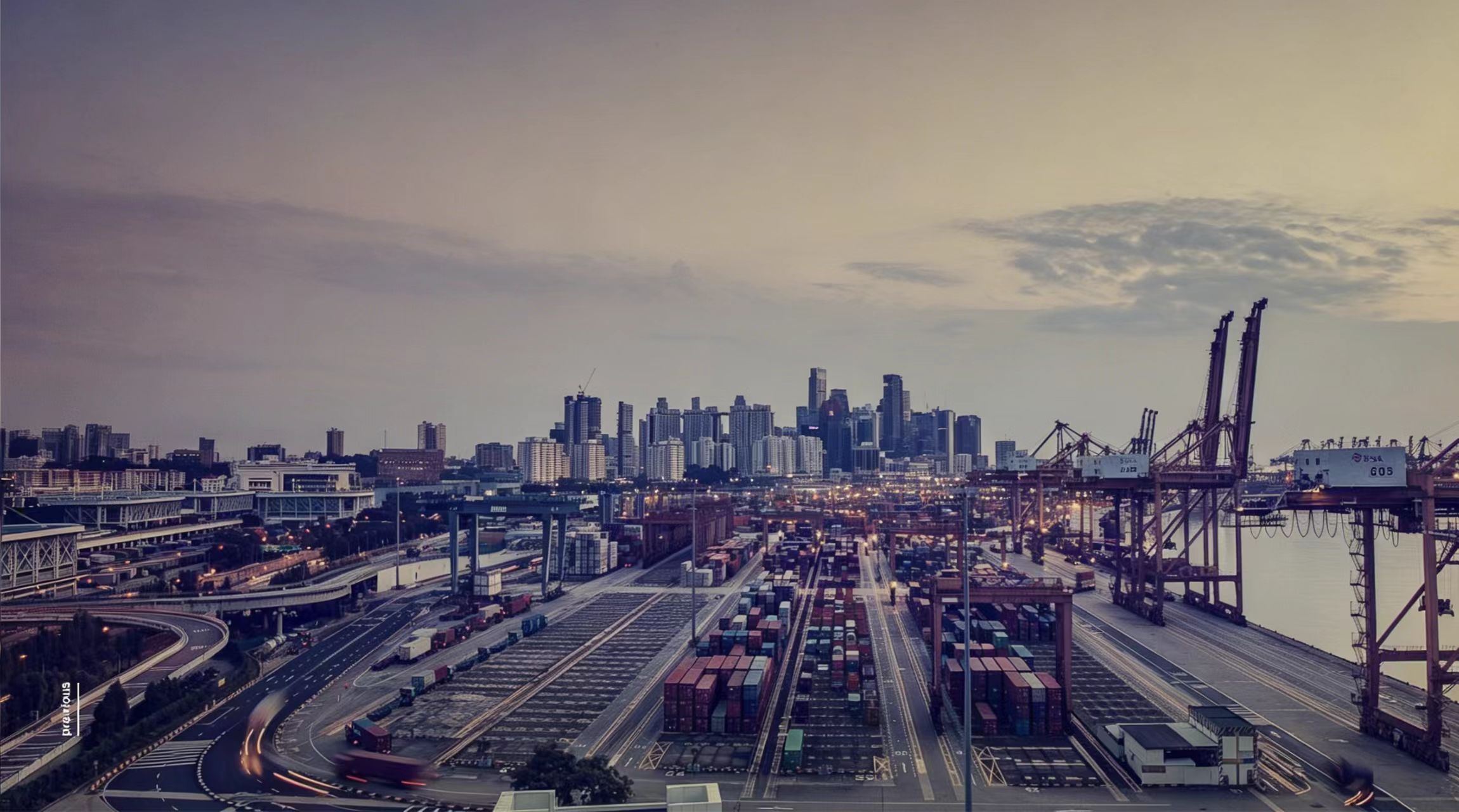
2026 Practical Guide to Import and Export Customs Clearance: Common Problems and Pitfall Avoidance Tips
Customs clearance is one of the most critical links in import and export trade, directly affecting the customs clearance time of goods and the operating costs of enterprises. In 2026, with the continuous innovation of customs supervision models and the strengthening of full-chain compliance supervision, there have been some subtle but important changes in customs clearance processes and requirements.
According to data released by the General Administration of Customs, in 2025, China's overall import and export customs clearance times were reduced by 67.5% and 92.7% respectively compared with 2017, and customs clearance efficiency has been significantly improved. At the same time, however, customs has increasingly higher requirements for the accuracy and compliance of declarations, and customs clearance delays caused by false declarations or inconsistent documents occur from time to time.
Statistics show that inconsistent or missing documents are the primary cause of customs clearance failures, accounting for more than 60% of all customs clearance problems. This mainly includes inconsistent information on commercial invoices, packing lists, and bills of lading, or missing special documents such as certificates of origin and fumigation certificates. These seemingly simple problems often bring unnecessary losses and delays to enterprises.
In addition to document issues, false product name declarations and incorrect HS code classification are also issues that customs focuses on. Some enterprises under-declare the value of goods or misstate product names to avoid taxes or simplify processes. Once discovered by customs, the goods will not only be detained but also face heavy fines, and in serious cases, even affect the enterprise's credit rating.
There are also great differences in the requirements for imported goods in different countries and regions. For example, some Middle Eastern countries prohibit the import of alcohol and pork products, and the EU has strict environmental and safety standards for imported products. Enterprises must have a detailed understanding of the relevant regulations of the destination country before shipping to avoid goods being returned or destroyed due to violations of local laws and regulations.
Customs clearance experts suggest that enterprises should establish a sound internal management system, strengthen training for relevant personnel, and improve the accuracy and compliance of declarations. At the same time, choosing a professional and experienced customs broker as a partner can also effectively reduce customs clearance risks and improve clearance efficiency.
In this article, we will introduce in detail the latest full process of import and export customs clearance in 2026, and sort out the most common customs clearance problems and corresponding pitfall avoidance tips to help enterprises successfully complete customs clearance procedures.

